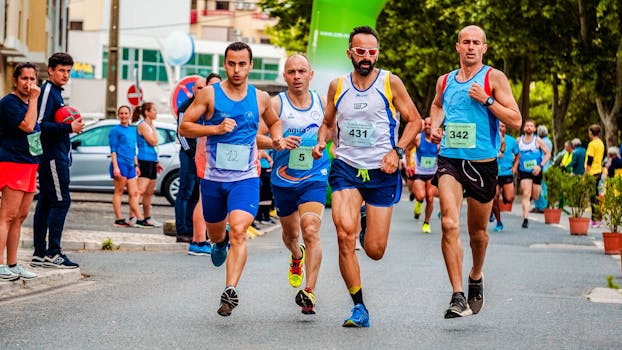
Running During Festivals or Events

Introduction

Running during festivals or events can be an exhilarating experience. The vibrant atmosphere, enthusiastic crowds, and unique routes add excitement to your regular running routine.

Benefits of Running During Festivals

  • Community Spirit: Participating in a run with others fosters a sense of belonging and community.
  • Motivation: The energetic ambiance motivates runners to push beyond their limits.
  • Unique Experiences: Festival runs often feature fun themes, costumes, and entertainment along the course.

Tips for a Great Festival Run

  • Register Early: Spots fill up quickly as these events are popular.
  • Prepare for Crowds: Expect a different pace and be patient at the start line.
  • Dress Appropriately: Embrace the festival spirit with themed outfits or comfortable gear.
  • Stay Hydrated: Bring your own water or locate hydration stations along the route.
  • Have Fun: Enjoy the energy and make lasting memories with friends or fellow runners.

Conclusion

Incorporating a festival or event into your running schedule adds joy and variety to your training. Whether you're chasing a personal best or just soaking in the celebration, running during festivals is an experience worth trying.

Comments

Popular posts from this blog

Running in Minimalist Shoes: Pros and Cons

Introduction Minimalist shoes have become increasingly popular among runners seeking a more natural running experience. But like any training choice, running in minimalist shoes has both benefits and drawbacks. In this post, we'll explore the pros and cons of minimalist shoes to help you decide if they're right for you. Pros of Minimalist Shoes Improved Foot Strength: Minimalist shoes encourage your feet to work harder, potentially strengthening foot and lower leg muscles. Natural Running Form: With less cushioning and support, these shoes promote a forefoot or midfoot strike, which can lead to improved running form. Lighter Weight: Minimalist shoes are generally lighter than traditional running shoes, reducing overall fatigue on longer runs. Better Ground Feel: The thin soles of minimalist shoes allow you to feel ground textures and surfaces, increasing proprioception and foot awareness. Cons of Minimalist Shoes Increased Injury Risk: Transitioning too quickly can lead to...

The World’s Most Important Marathons: The Ultimate Global Guide

The World’s Most Important Marathons: The Ultimate Global Guide Marathon running has become a truly global sport. Every year, millions of runners participate in races across continents, from historic European cities to modern Asian metropolises. Among thousands of races worldwide, about 50 marathons stand out as globally representative events. 📊 World Top 50 Marathon Summary Table Tier Marathon Country City Month Participants Competition S New York City Marathon USA New York Nov 50,000 Very High S Boston Marathon USA Boston Apr 30,000 Extreme S Chicago Marathon USA Chicago Oct 48,000 High S Berlin Marathon Germany Berlin Sep 47,000 High S London Marathon UK London Apr 50,000 Extreme S Tokyo Marathon Japan Tokyo Mar 38,000 Very High S Sydney Marathon Australia Sydney Aug 35,000 Medium A Valencia Marathon Spain Valencia Dec 33,000 Medium A Paris Marathon France Paris Apr 45,000 Medium A Seoul Marathon Korea Seoul Mar 20,000 Medium A Rotterdam Marathon Netherlands Rotterdam Apr 17,000 Me...

How to Build a Running Routine

Introduction Starting a running routine can be a transformative experience for your physical and mental health. Whether you’re a complete beginner or getting back into the habit, this guide will help you establish a sustainable and enjoyable running practice. 1. Set Realistic Goals Think about why you want to run. Is it for general fitness, weight loss, completing a race, or stress relief? Clear goals will keep you motivated and focused. Begin with short-term, achievable targets (e.g., run for 10 minutes without stopping). Gradually increase your goals as you progress. 2. Choose the Right Gear Invest in a good pair of running shoes and comfortable clothing. Proper footwear prevents injuries and ensures a smoother experience. 3. Plan Your Schedule Decide how many days a week you will run. Consistency is key—aim for 3–4 times per week. 4. Start Slow If you’re a beginner, use a combination of running and walking. Try the following: Run for 1 minute, walk for 2 minutes. Repeat 5–8 times. G...