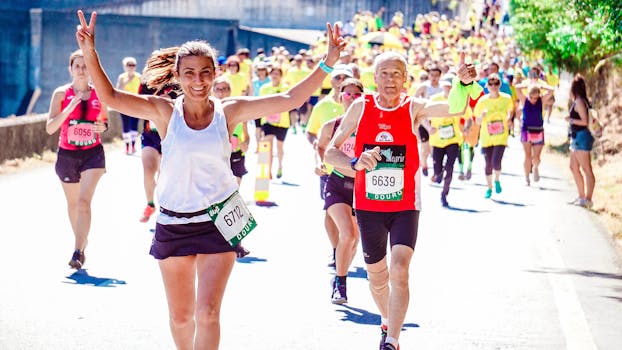
Running in Historical Cities Like Rome

The Unique Experience of Running in Rome

Running in a city like Rome is not just about fitness—it’s an immersive journey through time. As you lace up your shoes and hit the cobblestone streets, each stride takes you past relics of ancient civilization and vibrant modern life coexisting side by side.

Why Choose Historical Cities for Your Run?

  • Scenic Routes: Breathtaking views of iconic landmarks such as the Colosseum, Roman Forum, and Villa Borghese gardens.
  • Motivation: The awe of history inspires runners to push further and appreciate the cultural atmosphere.
  • Cultural Integration: Experience Rome as locals do—exploring narrow alleyways, busy piazzas, and peaceful riversides on foot.

Best Running Spots in Rome

  • Historic Center Loop: Run past the Trevi Fountain, Pantheon, and Spanish Steps for a sightseeing workout.
  • Via Appia Antica: This ancient road leads runners out of the city, lined with ruins and lush scenery.
  • Tiber River Path: Enjoy a flat, peaceful route along the riverbanks perfect for early morning runs.

Tips for Running in Rome

  • Wear shoes suitable for uneven cobblestones and changing surfaces.
  • Start early to beat the crowds and Roman heat, especially in summer.
  • Always carry water and be mindful of busy intersections.

Running in historical cities like Rome combines adventure, exercise, and culture in a way few other experiences can. Whether you’re a seasoned marathoner or a casual jogger, let the Eternal City’s rich past energize your next run!

Comments

Popular posts from this blog

Running in Minimalist Shoes: Pros and Cons

Introduction Minimalist shoes have become increasingly popular among runners seeking a more natural running experience. But like any training choice, running in minimalist shoes has both benefits and drawbacks. In this post, we'll explore the pros and cons of minimalist shoes to help you decide if they're right for you. Pros of Minimalist Shoes Improved Foot Strength: Minimalist shoes encourage your feet to work harder, potentially strengthening foot and lower leg muscles. Natural Running Form: With less cushioning and support, these shoes promote a forefoot or midfoot strike, which can lead to improved running form. Lighter Weight: Minimalist shoes are generally lighter than traditional running shoes, reducing overall fatigue on longer runs. Better Ground Feel: The thin soles of minimalist shoes allow you to feel ground textures and surfaces, increasing proprioception and foot awareness. Cons of Minimalist Shoes Increased Injury Risk: Transitioning too quickly can lead to...

The World’s Most Important Marathons: The Ultimate Global Guide

The World’s Most Important Marathons: The Ultimate Global Guide Marathon running has become a truly global sport. Every year, millions of runners participate in races across continents, from historic European cities to modern Asian metropolises. Among thousands of races worldwide, about 50 marathons stand out as globally representative events. 📊 World Top 50 Marathon Summary Table Tier Marathon Country City Month Participants Competition S New York City Marathon USA New York Nov 50,000 Very High S Boston Marathon USA Boston Apr 30,000 Extreme S Chicago Marathon USA Chicago Oct 48,000 High S Berlin Marathon Germany Berlin Sep 47,000 High S London Marathon UK London Apr 50,000 Extreme S Tokyo Marathon Japan Tokyo Mar 38,000 Very High S Sydney Marathon Australia Sydney Aug 35,000 Medium A Valencia Marathon Spain Valencia Dec 33,000 Medium A Paris Marathon France Paris Apr 45,000 Medium A Seoul Marathon Korea Seoul Mar 20,000 Medium A Rotterdam Marathon Netherlands Rotterdam Apr 17,000 Me...

Why Running Form Matters More Than Pace

StrideCoach is built on  BiomechEngine™, a biomechanics analysis engine developed by Beflex’s research team specializing in human movement science . Unlike generic fitness apps, BiomechEngine is grounded in: Biomechanics research Signal processing algorithms Motion symmetry analysis Frequency-domain gait analysis It transforms raw IMU sensor signals into clinically meaningful running metrics. The 5 Core Metrics — With Research Foundations 1. Impact (Landing Shock) 4 What it measures: Acceleration peak at foot strike, reflecting impact loading. Why it matters: Higher impact loading is associated with increased injury risk, particularly tibial stress fractures and knee pain. Research Evidence: Milner et al., 2006 – Higher vertical loading rates observed in runners with tibial stress fractures. Davis et al., 2016 – Impact reduction linked to lower injury risk in gait retraining studies. Zadpoor & Nikooyan, 2011 – Systematic review linking impact loading to running injuries. Imp...