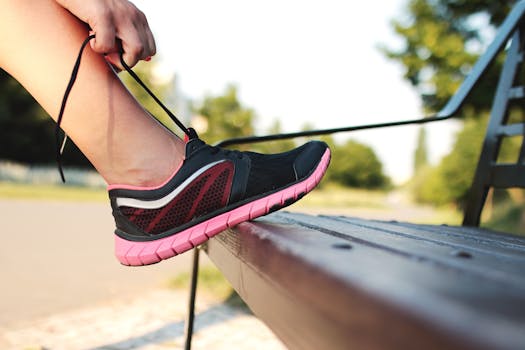
What to Look for in a Running Sports Bra

Introduction

Finding the right sports bra is essential for any runner. Whether you’re a beginner or a seasoned athlete, the right support can make all the difference in comfort, performance, and long-term breast health. Here’s what to look for when choosing a running sports bra.

Key Features to Consider

  • Support Level

    Running is a high-impact activity, so choose a bra designed for high support. Look for features like compression, encapsulation, and wide, adjustable straps to minimize bounce.

  • Fit and Comfort

    A good sports bra should fit snugly without being restrictive. Check that you can fit two fingers under the band, and that the cups fully encase your breasts without spilling or gaping.

  • Moisture-Wicking Fabric

    Running generates sweat, so opt for bras made from moisture-wicking and breathable materials. These fabrics will keep you dry, reduce chafing, and regulate temperature.

  • Adjustability

    Adjustable straps and hook-and-eye closures offer a customizable fit, especially as the elastic stretches over time. Racerback and crossback styles can also provide extra support.

  • Seam Construction

    Flat seams or seamless designs help prevent chafing during long runs. Inspect the interior for any tags or rough stitching that may cause irritation.

Testing Your Sports Bra

Before purchasing, try jumping or jogging in place in the dressing room to check support and comfort. Remember, the bra should minimize movement without restricting breath or motion.

Conclusion

Choosing the perfect running sports bra is a personal process, but focusing on support, fit, and fabric will guide you to the best choice. Invest in quality, and your runs will be smoother and more enjoyable.

Comments

Popular posts from this blog

Running in Minimalist Shoes: Pros and Cons

Introduction Minimalist shoes have become increasingly popular among runners seeking a more natural running experience. But like any training choice, running in minimalist shoes has both benefits and drawbacks. In this post, we'll explore the pros and cons of minimalist shoes to help you decide if they're right for you. Pros of Minimalist Shoes Improved Foot Strength: Minimalist shoes encourage your feet to work harder, potentially strengthening foot and lower leg muscles. Natural Running Form: With less cushioning and support, these shoes promote a forefoot or midfoot strike, which can lead to improved running form. Lighter Weight: Minimalist shoes are generally lighter than traditional running shoes, reducing overall fatigue on longer runs. Better Ground Feel: The thin soles of minimalist shoes allow you to feel ground textures and surfaces, increasing proprioception and foot awareness. Cons of Minimalist Shoes Increased Injury Risk: Transitioning too quickly can lead to...

How Running Transforms Your Brain: 5 Science-Backed Mental Health Benefits

How Running Transforms Your Brain: 5 Science-Backed Mental Health Benefits Last updated: April  30, 2025 | 7 min read | Evidence-based research Did you know that just 30 minutes of running can literally reshape your brain? While most people start running for physical fitness, the mental health benefits are equally remarkable. Recent neuroscience research reveals that running triggers profound changes in brain structure and function that can improve memory, reduce anxiety, and boost creativity. This comprehensive guide explores the fascinating science behind running's impact on your brain. 🧠 Table of Contents 🔬 Running Boosts Neurogenesis (New Brain Cell Growth) 😌 Reduces Stress and Anxiety Naturally 🎯 Improves Focus and Unleashes Creativity 🧩 Strengthens Brain Plasticity and Adaptation ⚡ Enhances Overall Cognitive Performance ❓ Frequently Asked Questions ...

Why Is Running So Hard for Beginners? 7 Science-Backed Reasons + Solutions

Why Is Running So Hard for Beginners? 7 Science-Backed Reasons + Solutions Last updated: M ay 1, 2025 | 8 min read Are you wondering "why is running so hard when I just started?" You're not alone. Over 80% of new runners quit within their first month because they underestimate the initial challenge. This comprehensive guide explains exactly why your first runs feel impossibly difficult and provides proven strategies to make running easier and more enjoyable. 📋 Table of Contents 📍 The Real Reasons Why Running Feels So Hard ⚠️ 5 Critical Beginner Running Mistakes 💡 7 Proven Tips to Make Running Easier ⏰ When Running Gets Easier (Timeline) ❓ Frequently Asked Questions 🔬 The Real Reasons Why Running Feels So Hard for Beginners 1. Your Cardiovascular System Isn't Adapted Yet The science: When you start running, your heart rate can spike to 160-180 BPM compare...