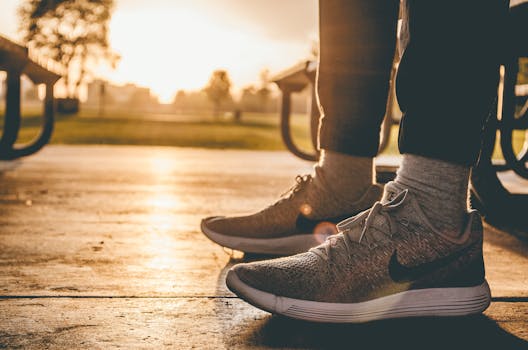
How to Deal With Runner’s Toe

What Is Runner’s Toe?

Runner’s toe, also known as subungual hematoma, is a common condition among athletes and runners. It occurs when repetitive trauma to the toenail causes bleeding and bruising underneath the nail. This can result in pain, discoloration, and even nail loss.

Signs and Symptoms

  • Black or purple discoloration under the toenail
  • Throbbing pain or pressure in the affected toe
  • Swelling
  • Loose or detached toenail over time

Immediate Steps to Take

  • Rest: Stop running or avoid activities that put pressure on the toe.
  • Ice: Apply ice packs to reduce swelling and pain.
  • Elevation: Keep your foot elevated to minimize swelling.

When to See a Doctor

You should consult a healthcare professional if:

  • There is severe pain or the nail is lifting.
  • The toe shows signs of infection (redness, pus, increased warmth).
  • You have diabetes or poor circulation.

Ongoing Care and Prevention

  • Trim nails short to prevent them from hitting the inside of your shoes.
  • Wear properly fitted shoes with enough room in the toe box.
  • Opt for moisture-wicking socks to reduce friction.
  • Keep feet dry and clean to prevent infection.

Conclusion

Runner's toe is bothersome but often manageable at home with care and preventive measures. Prioritize proper footwear, foot hygiene, and don’t hesitate to seek medical attention if symptoms worsen.

Comments

Popular posts from this blog

Running in Minimalist Shoes: Pros and Cons

Introduction Minimalist shoes have become increasingly popular among runners seeking a more natural running experience. But like any training choice, running in minimalist shoes has both benefits and drawbacks. In this post, we'll explore the pros and cons of minimalist shoes to help you decide if they're right for you. Pros of Minimalist Shoes Improved Foot Strength: Minimalist shoes encourage your feet to work harder, potentially strengthening foot and lower leg muscles. Natural Running Form: With less cushioning and support, these shoes promote a forefoot or midfoot strike, which can lead to improved running form. Lighter Weight: Minimalist shoes are generally lighter than traditional running shoes, reducing overall fatigue on longer runs. Better Ground Feel: The thin soles of minimalist shoes allow you to feel ground textures and surfaces, increasing proprioception and foot awareness. Cons of Minimalist Shoes Increased Injury Risk: Transitioning too quickly can lead to...

The World’s Most Important Marathons: The Ultimate Global Guide

The World’s Most Important Marathons: The Ultimate Global Guide Marathon running has become a truly global sport. Every year, millions of runners participate in races across continents, from historic European cities to modern Asian metropolises. Among thousands of races worldwide, about 50 marathons stand out as globally representative events. 📊 World Top 50 Marathon Summary Table Tier Marathon Country City Month Participants Competition S New York City Marathon USA New York Nov 50,000 Very High S Boston Marathon USA Boston Apr 30,000 Extreme S Chicago Marathon USA Chicago Oct 48,000 High S Berlin Marathon Germany Berlin Sep 47,000 High S London Marathon UK London Apr 50,000 Extreme S Tokyo Marathon Japan Tokyo Mar 38,000 Very High S Sydney Marathon Australia Sydney Aug 35,000 Medium A Valencia Marathon Spain Valencia Dec 33,000 Medium A Paris Marathon France Paris Apr 45,000 Medium A Seoul Marathon Korea Seoul Mar 20,000 Medium A Rotterdam Marathon Netherlands Rotterdam Apr 17,000 Me...

Why Running Form Matters More Than Pace

StrideCoach is built on  BiomechEngine™, a biomechanics analysis engine developed by Beflex’s research team specializing in human movement science . Unlike generic fitness apps, BiomechEngine is grounded in: Biomechanics research Signal processing algorithms Motion symmetry analysis Frequency-domain gait analysis It transforms raw IMU sensor signals into clinically meaningful running metrics. The 5 Core Metrics — With Research Foundations 1. Impact (Landing Shock) 4 What it measures: Acceleration peak at foot strike, reflecting impact loading. Why it matters: Higher impact loading is associated with increased injury risk, particularly tibial stress fractures and knee pain. Research Evidence: Milner et al., 2006 – Higher vertical loading rates observed in runners with tibial stress fractures. Davis et al., 2016 – Impact reduction linked to lower injury risk in gait retraining studies. Zadpoor & Nikooyan, 2011 – Systematic review linking impact loading to running injuries. Imp...