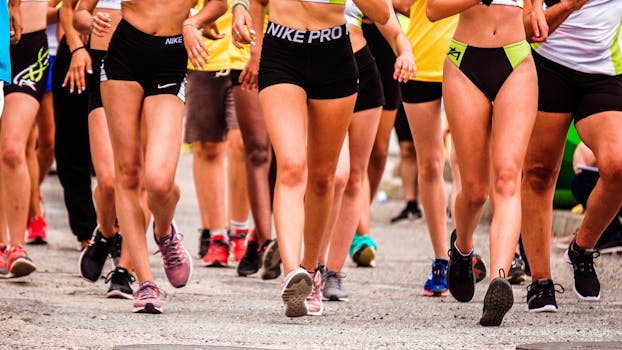
Running in Dubai During Ramadan: Tips and Insights

Introduction

Running in Dubai is always a unique experience, but it becomes even more special during the holy month of Ramadan. Whether you are a resident or a visitor, it's important to understand how to adapt your running routine to the local culture and environmental conditions during this sacred period.

Understanding Ramadan in Dubai

During Ramadan, Muslims fast from dawn until sunset, refraining from both food and water. The city embraces a different rhythm, with changed meal times, reduced working hours, and a more reflective atmosphere. For runners, this means adjusting habits and expectations to honor local customs and safeguard personal well-being.

Best Times to Run

  • After Iftar (Sunset): Most runners prefer running after the Iftar meal, when fasting is broken and hydration is possible.
  • Before Suhoor (Pre-dawn): Some choose to run early in the morning before the fast begins, taking advantage of cooler temperatures.

Tips for Running During Ramadan

  • Hydrate Strategically: Drink plenty of water during non-fasting hours to stay hydrated and ready for your runs.
  • Dress Respectfully: Wear modest sportswear, covering shoulders and knees, especially if running in public areas.
  • Adjust Intensity: Reduce your running intensity or duration if you are fasting, as the body may be weaker and dehydrated.
  • Be Mindful of Crowds: Popular running tracks and parks can get crowded after Iftar, so plan your routes and times accordingly.
  • Respect Local Customs: Avoid eating, drinking, or chewing gum in public during fasting hours, out of respect for those who are fasting.

Popular Running Spots in Dubai

  • Dubai Marina Walk
  • Kite Beach Running Track
  • Zabeel Park
  • Meydan Track

Conclusion

Running during Ramadan in Dubai offers an opportunity to experience the city in a new light. With a bit of preparation and respect for local traditions, you can maintain your fitness routine while embracing the spirit of this special month.

Comments

Popular posts from this blog

Running in Minimalist Shoes: Pros and Cons

Introduction Minimalist shoes have become increasingly popular among runners seeking a more natural running experience. But like any training choice, running in minimalist shoes has both benefits and drawbacks. In this post, we'll explore the pros and cons of minimalist shoes to help you decide if they're right for you. Pros of Minimalist Shoes Improved Foot Strength: Minimalist shoes encourage your feet to work harder, potentially strengthening foot and lower leg muscles. Natural Running Form: With less cushioning and support, these shoes promote a forefoot or midfoot strike, which can lead to improved running form. Lighter Weight: Minimalist shoes are generally lighter than traditional running shoes, reducing overall fatigue on longer runs. Better Ground Feel: The thin soles of minimalist shoes allow you to feel ground textures and surfaces, increasing proprioception and foot awareness. Cons of Minimalist Shoes Increased Injury Risk: Transitioning too quickly can lead to...

The World’s Most Important Marathons: The Ultimate Global Guide

The World’s Most Important Marathons: The Ultimate Global Guide Marathon running has become a truly global sport. Every year, millions of runners participate in races across continents, from historic European cities to modern Asian metropolises. Among thousands of races worldwide, about 50 marathons stand out as globally representative events. 📊 World Top 50 Marathon Summary Table Tier Marathon Country City Month Participants Competition S New York City Marathon USA New York Nov 50,000 Very High S Boston Marathon USA Boston Apr 30,000 Extreme S Chicago Marathon USA Chicago Oct 48,000 High S Berlin Marathon Germany Berlin Sep 47,000 High S London Marathon UK London Apr 50,000 Extreme S Tokyo Marathon Japan Tokyo Mar 38,000 Very High S Sydney Marathon Australia Sydney Aug 35,000 Medium A Valencia Marathon Spain Valencia Dec 33,000 Medium A Paris Marathon France Paris Apr 45,000 Medium A Seoul Marathon Korea Seoul Mar 20,000 Medium A Rotterdam Marathon Netherlands Rotterdam Apr 17,000 Me...

Why Running Form Matters More Than Pace

StrideCoach is built on  BiomechEngine™, a biomechanics analysis engine developed by Beflex’s research team specializing in human movement science . Unlike generic fitness apps, BiomechEngine is grounded in: Biomechanics research Signal processing algorithms Motion symmetry analysis Frequency-domain gait analysis It transforms raw IMU sensor signals into clinically meaningful running metrics. The 5 Core Metrics — With Research Foundations 1. Impact (Landing Shock) 4 What it measures: Acceleration peak at foot strike, reflecting impact loading. Why it matters: Higher impact loading is associated with increased injury risk, particularly tibial stress fractures and knee pain. Research Evidence: Milner et al., 2006 – Higher vertical loading rates observed in runners with tibial stress fractures. Davis et al., 2016 – Impact reduction linked to lower injury risk in gait retraining studies. Zadpoor & Nikooyan, 2011 – Systematic review linking impact loading to running injuries. Imp...