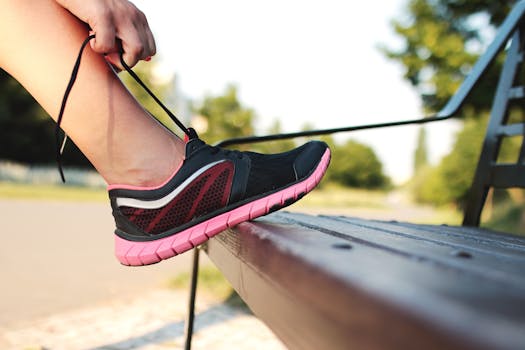
How to Wash and Dry Running Gear

Introduction

Taking good care of your running clothes not only makes them last longer but also keeps you comfortable and fresh during every workout. Here’s a simple guide on how to wash and dry your running gear the right way.

Washing Running Gear

  • Read the Care Label: Always check the care label on your gear for specific washing instructions.
  • Separate by Color: Wash bright and dark colors separately from lighter clothing to prevent color bleeding.
  • Turn Inside Out: Turn your running gear inside out to protect logos and fabric.
  • Use Gentle Detergent: Choose a mild, sports-specific detergent to remove sweat and odors.
  • No Fabric Softener: Avoid fabric softeners as they can damage moisture-wicking fabrics.
  • Wash in Cold Water: Cold water preserves elasticity and prevents shrinking.
  • Short Cycle: Use a gentle or quick cycle to reduce wear and tear.

Drying Running Gear

  • Air Dry is Best: Lay your gear flat or hang to air dry, which helps maintain shape and fabric integrity.
  • Avoid Direct Sun: Drying in direct sunlight can cause fading and weaken fibers.
  • Avoid High Heat: Never use high heat settings in the dryer; if needed, use the lowest heat or tumble dry option.

Conclusion

Proper washing and drying will extend the life of your running clothes and keep them performing at their best. Stick to these tips to stay comfortable and get the most out of every run!

Comments

Popular posts from this blog

Running in Minimalist Shoes: Pros and Cons

Introduction Minimalist shoes have become increasingly popular among runners seeking a more natural running experience. But like any training choice, running in minimalist shoes has both benefits and drawbacks. In this post, we'll explore the pros and cons of minimalist shoes to help you decide if they're right for you. Pros of Minimalist Shoes Improved Foot Strength: Minimalist shoes encourage your feet to work harder, potentially strengthening foot and lower leg muscles. Natural Running Form: With less cushioning and support, these shoes promote a forefoot or midfoot strike, which can lead to improved running form. Lighter Weight: Minimalist shoes are generally lighter than traditional running shoes, reducing overall fatigue on longer runs. Better Ground Feel: The thin soles of minimalist shoes allow you to feel ground textures and surfaces, increasing proprioception and foot awareness. Cons of Minimalist Shoes Increased Injury Risk: Transitioning too quickly can lead to...

The World’s Most Important Marathons: The Ultimate Global Guide

The World’s Most Important Marathons: The Ultimate Global Guide Marathon running has become a truly global sport. Every year, millions of runners participate in races across continents, from historic European cities to modern Asian metropolises. Among thousands of races worldwide, about 50 marathons stand out as globally representative events. 📊 World Top 50 Marathon Summary Table Tier Marathon Country City Month Participants Competition S New York City Marathon USA New York Nov 50,000 Very High S Boston Marathon USA Boston Apr 30,000 Extreme S Chicago Marathon USA Chicago Oct 48,000 High S Berlin Marathon Germany Berlin Sep 47,000 High S London Marathon UK London Apr 50,000 Extreme S Tokyo Marathon Japan Tokyo Mar 38,000 Very High S Sydney Marathon Australia Sydney Aug 35,000 Medium A Valencia Marathon Spain Valencia Dec 33,000 Medium A Paris Marathon France Paris Apr 45,000 Medium A Seoul Marathon Korea Seoul Mar 20,000 Medium A Rotterdam Marathon Netherlands Rotterdam Apr 17,000 Me...

How to Stay Cool During Summer Runs

Introduction Running in the summer can be both enjoyable and challenging due to the heat. Staying cool while maintaining your performance is important for both comfort and safety. Here are some essential tips to help you stay cool during your summer runs. 1. Dress Appropriately Wear light-colored and moisture-wicking clothing: These materials help reflect sunlight and draw sweat away from your body, allowing you to cool down faster. Opt for loose-fitting clothes: This promotes airflow and reduces heat buildup. 2. Plan Your Runs Wisely Run during cooler times: Early morning or late evening runs are best to avoid peak heat hours. Check the weather: High humidity and extreme temperatures can increase risk, so adjust your run accordingly. 3. Hydrate Properly Drink water before, during, and after your run: Staying hydrated is critical in the heat to prevent dehydration and overheating. Consider electrolyte drinks: If your run lasts longer than an hour or is particularly sweaty, replen...