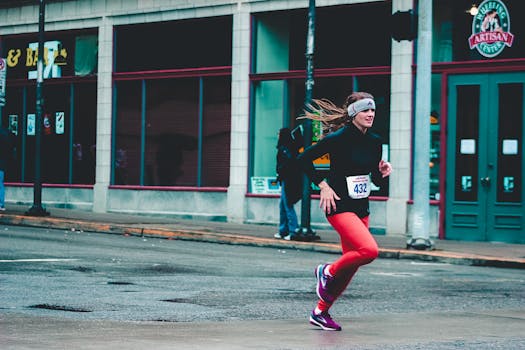
Ultimate Gear Checklist for Trail Running

Introduction

Trail running can be an exhilarating adventure, but being well-prepared is crucial for safety and comfort on rugged terrains. Here’s an essential gear checklist for every trail runner.

Gear Checklist

  • Trail Running Shoes: Invest in shoes with good grip, stability, and protection.
  • Moisture-Wicking Clothing: Wear lightweight, breathable attire to manage sweat and regulate body temperature.
  • Hydration System: Carry a handheld bottle, hydration vest, or belt for on-the-go hydration.
  • Nutrition: Pack energy gels, bars, or snacks for longer runs.
  • Weather-Appropriate Jacket: Lightweight, packable rain or wind jacket for changing conditions.
  • Socks: Choose moisture-wicking, cushioned socks to prevent blisters.
  • GPS Watch or Map: Helps track your route and monitor your progress.
  • First Aid Kit: Include bandages, antiseptic wipes, and blister treatment.
  • Headlamp: Necessary for early morning or evening runs.
  • Hat and Sunglasses: Protect yourself from sun exposure.
  • Sunscreen: Shield your skin from harmful UV rays.
  • Whistle: For emergency signaling.
  • Trail Running Poles: Optional, but helpful for steep or technical terrain.

Conclusion

Carrying the right gear ensures a safer and more enjoyable trail running experience. Adjust the checklist to suit the length, difficulty, and weather conditions of your run. Stay safe and have fun on the trails!

Comments

Popular posts from this blog

Running in Minimalist Shoes: Pros and Cons

Introduction Minimalist shoes have become increasingly popular among runners seeking a more natural running experience. But like any training choice, running in minimalist shoes has both benefits and drawbacks. In this post, we'll explore the pros and cons of minimalist shoes to help you decide if they're right for you. Pros of Minimalist Shoes Improved Foot Strength: Minimalist shoes encourage your feet to work harder, potentially strengthening foot and lower leg muscles. Natural Running Form: With less cushioning and support, these shoes promote a forefoot or midfoot strike, which can lead to improved running form. Lighter Weight: Minimalist shoes are generally lighter than traditional running shoes, reducing overall fatigue on longer runs. Better Ground Feel: The thin soles of minimalist shoes allow you to feel ground textures and surfaces, increasing proprioception and foot awareness. Cons of Minimalist Shoes Increased Injury Risk: Transitioning too quickly can lead to...

The World’s Most Important Marathons: The Ultimate Global Guide

The World’s Most Important Marathons: The Ultimate Global Guide Marathon running has become a truly global sport. Every year, millions of runners participate in races across continents, from historic European cities to modern Asian metropolises. Among thousands of races worldwide, about 50 marathons stand out as globally representative events. 📊 World Top 50 Marathon Summary Table Tier Marathon Country City Month Participants Competition S New York City Marathon USA New York Nov 50,000 Very High S Boston Marathon USA Boston Apr 30,000 Extreme S Chicago Marathon USA Chicago Oct 48,000 High S Berlin Marathon Germany Berlin Sep 47,000 High S London Marathon UK London Apr 50,000 Extreme S Tokyo Marathon Japan Tokyo Mar 38,000 Very High S Sydney Marathon Australia Sydney Aug 35,000 Medium A Valencia Marathon Spain Valencia Dec 33,000 Medium A Paris Marathon France Paris Apr 45,000 Medium A Seoul Marathon Korea Seoul Mar 20,000 Medium A Rotterdam Marathon Netherlands Rotterdam Apr 17,000 Me...

How to Stay Cool During Summer Runs

Introduction Running in the summer can be both enjoyable and challenging due to the heat. Staying cool while maintaining your performance is important for both comfort and safety. Here are some essential tips to help you stay cool during your summer runs. 1. Dress Appropriately Wear light-colored and moisture-wicking clothing: These materials help reflect sunlight and draw sweat away from your body, allowing you to cool down faster. Opt for loose-fitting clothes: This promotes airflow and reduces heat buildup. 2. Plan Your Runs Wisely Run during cooler times: Early morning or late evening runs are best to avoid peak heat hours. Check the weather: High humidity and extreme temperatures can increase risk, so adjust your run accordingly. 3. Hydrate Properly Drink water before, during, and after your run: Staying hydrated is critical in the heat to prevent dehydration and overheating. Consider electrolyte drinks: If your run lasts longer than an hour or is particularly sweaty, replen...